LIVE IN NOW, HEAL THE PAST AND
DREAM THE FUTURE ,
BUT TILL THEN FEED ON KNOWLEDGE.
Hi, I am Saumya.
Let's see the Facts.
Let's see the Facts.
#1/SpaceFacts
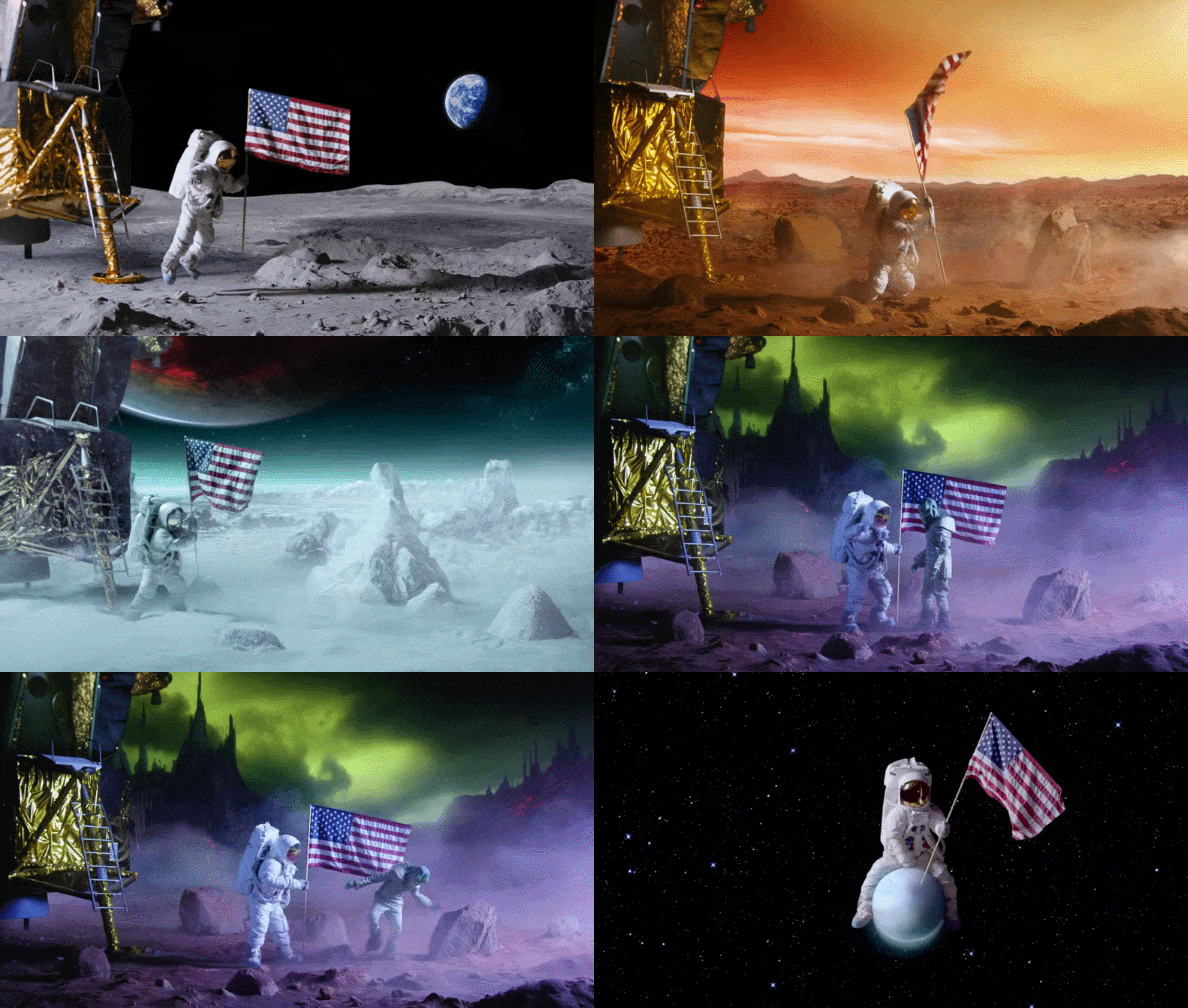
You wanna go to space ,explore it ,roam everywhere and meet your neighbour aliens .

Space travel is not easy as it seems. It can take a serious toll on your body........

Yeah ! These are some facts that you should surely see or read whatever.
1.It stretches out your spine

Astronauts can grow up to 3% taller in space.That means that a 6 foot tall astronauts could take on an extra two inches.
The growth spurt happens because microgravity allows the squishy spinal discs between the vertebra freedom to relax and expand - almost like relieving pressure on a spring.
It takes a few months to return to normal height after they get back to Earth. It also happens in night when we lie down the gravity cannot push our vertebra. we grow one or two centimeter tall but we come back to our normal height as the day passes so it is very different from the astronauts being getting tall.

2.Turns your muscle into jelly

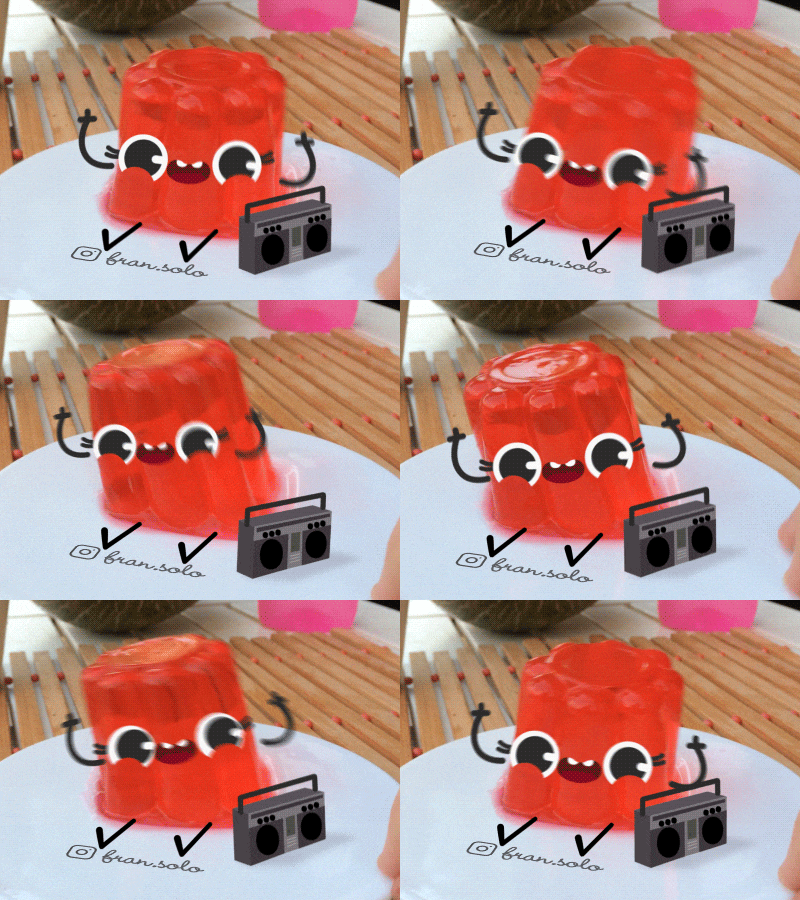
You don't need muscles to support you in a weightless environment , very little muscle contraction is needed to support their bodies or to move around. Astronauts muscles almost immediately start shrinking and absorbing the extra ,now worthless tissue.
The muscle strength can be regained once they come back to Earth , but the muscle maintaining in space for a long term is a concern.
Intensive exercise particularly strength training exercise can help astronauts to stand up and walk around again.
They usually take two hours to exercise which involves " Weight Lifting " using a special resistance machine, since a free weight weighs, well, nothing in zero gravity.
3.It makes you puffer fish
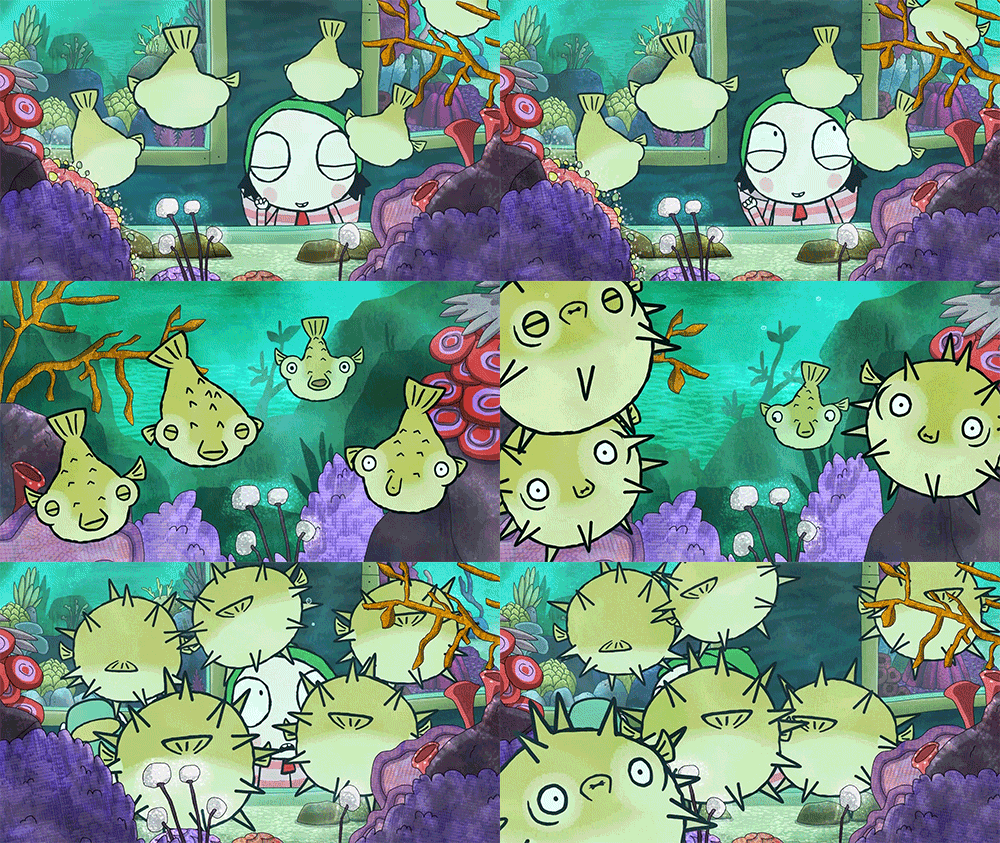
Sorry, it makes your skin puffy

Our bodies are mostly liquid. The gravity on Earth pulls that liquid down and some of it pools in our lower extremities. Due to the lack of gravity in space, the extra gallon and the half of a liquid that we carry on Earth to gravity moves from our legs upward, like when you flip upside down. So astronaut's faces look puffier than normal while their legs look skinner than normal.
After a few weeks the body adjusts with the gravity change and some of the puffiness goes down.
After a
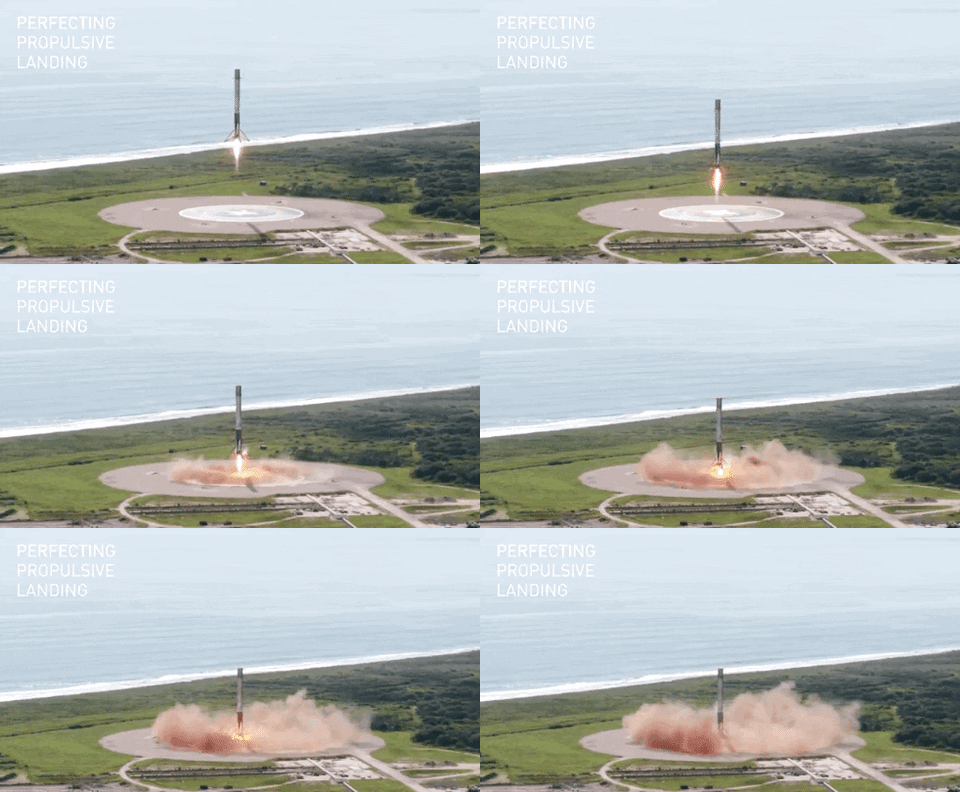
When on a Earth , they come back to normal shape.
4.It messes up with Senses

Oh! Yes.
Same lack of downward pull that makes astronauts faces puffy also makes them congested. "It's the same as a cold or allergies," astronaut and physician Scott Parazynski told Scientific American.
Many Astronauts have reported that flavours are much more dull in microgravity, so they crave food with a lot of extra flavouring and spice to make up for the bland taste.
Food and Drink which rely on a sense of smell to bring out the flavour, like coffee are disappointing in space.
5.Thins your bones
Astronauts can around lose their 1% of their bone density every month they spend in space if they don't regularly exercise. It makes them a lot more likely to break their bones they're back on Earth similar to people who have osteoporosis. Exercise and good nutrition is crucial for minimising this effect.
This is especially important for Kelly who is spending a full year in space.
6.Causes vision problems
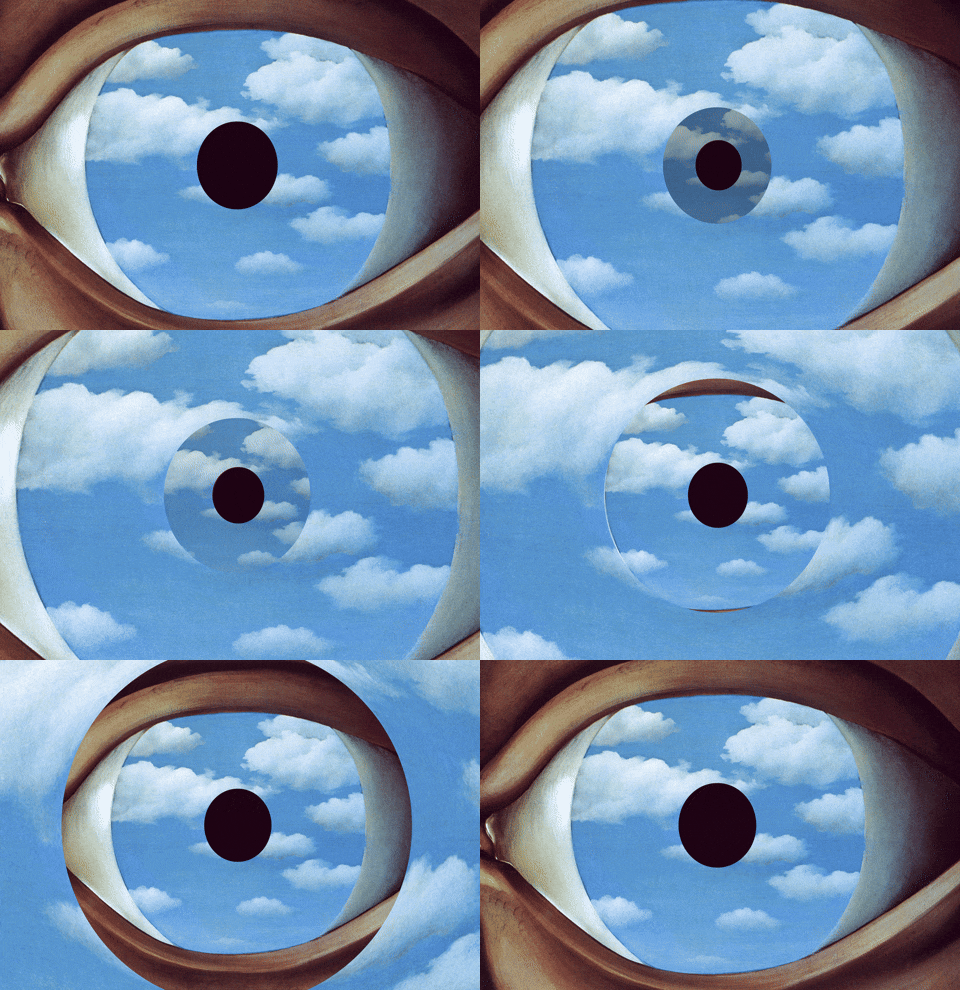
A 2013 study examined the eyesight of 27 astronauts who had spent an average of 108 days on board the ISS. NASA researchers found that many of them had eye abnormalities after returning from spaces. MRI scans showed that nine of the astronauts had bloating around their optic nerves and six of the astronauts had eyeballs that were physically flattened out in the back.
Living in the microgravity environment causes head ward fluid shift that may be causing pressure behind astronaut's eyes resulting in visual physical changes.
7.Messes with your immune system
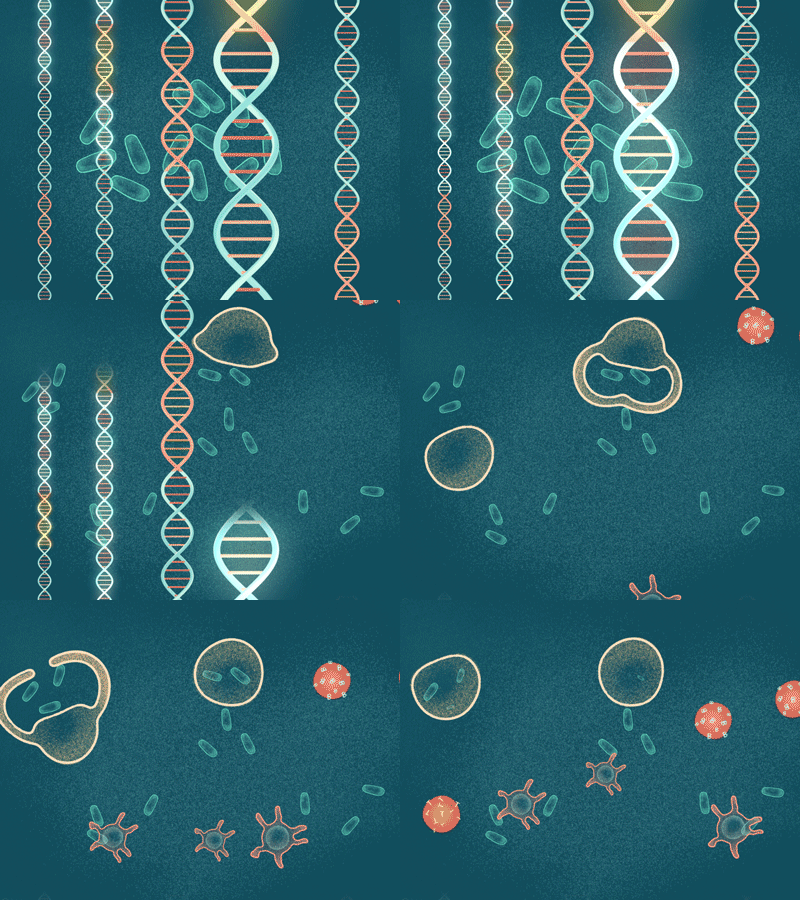
Living in space can depress Astronauts immune system.
Things like Radiation, Micro gravity, Stress and altered sleep cycle could all affect astronauts immune system .
Normally, the immune system attacks and eliminates virus infected cells. When cell activity is depressed, the immune system isn't responding to threats as it should.
Hoping that the information helps you

Comments
Post a Comment